


Resources Library
Filter by:
Join Adam Mackay, Integrations Manager of QA Systems, and Rafael Taubinger, Global FAE Manager of IAR Systems, in an engaging webinar where they provide a comprehensive overview of Accelerated Unit Testing using IAR Embedded Workbench® and Cantata for Safety Critical Systems. Discover how IAR Embedded Workbench®, a versatile IDE supporting various processor families, ensures quality and efficiency with its all-in-one view. Learn about Cantata, a dynamic testing tool enabling C/C++ unit and integration testing, and how it empowers developers to meet rigorous testing requirements and implement best practices. Adam and Rafael delve into key features, showcasing project linking, static code analysis with C-STAT, and dynamic testing and coverage analysis. Enhance your embedded application development process and achieve safety standards compliance by joining this enlightening webinar.
Meeting safety and regulatory requirements forces safety-critical developers to adopt increasingly rigorous Quality Assurance processes, and to implement advanced tools that enable this. Integrating existing test data in a new system doesn’t have to be a disruptive process. Learn About: – Automatically generating unit tests for legacy code – Connecting existing unit tests to your new ALM environment – Ensuring traceability from requirement to unit tests automatically – Significantly reducing the risks, time, and costs of compliance.
In this webinar, Adam Mackay (Integrations Manager at QA Systems Ltd) and Rafael Taubinger (Technical Marketing Specialist at IAR Systems AB) discuss the importance of impact analysis and regression testing in improving safety-critical software development projects. They showcase the latest tools and techniques for performing comprehensive analysis and testing to identify potential risks and ensure software projects are developed with precision and rigour. By using accessible tools to manage software projects, development teams can reduce maintenance costs, accelerate release schedules, and mitigate risks.
This online presentation featuring Vance Hilderman, CEO AFuzion Incorporated, and Matt Davis, Managing Director of QA Systems, highlights the best software testing practices for DO-178C. It is also applicable to DO-278A software testing and even DO-200B testing of aeronautical data processing systems. QA Systems demonstrates software test tools for DO-178C traceability, functional testing, and structural coverage testing. Don’t miss out on this informative session!
At ATC ISO 26262 (an online event hosted in China) Matt Davis the Director of QA Systems in the UK, presented a talk on Beyond Requirements Based Testing for ISO 26262. In this talk, Davis focuses on achieving a demonstration that there are no undesired functionality or functional safety properties. This goes beyond requirements, specifications, and testing, ensuring the safety measures are correctly implemented and comply with the architecture and level unit design. This talk will help you understand the ISO 26262 unit, integration-level testing objectives and processes, and requirements-based testing.
Due to the volume of testing necessary in automotive embedded development, the efficiency of testing processes is vital. Requirements-based testing is a key QA method that helps ensure high product quality with minimal costs, and compliance with automotive regulations such as ISO 26262.
Navigating international standards like ISO 26262 for road vehicles, DO-178C for airborne software, and EN 50128 for railway signalling can be a daunting task. These standards require the implementation of software coding standards to ensure functional safety and security in critical software development. Compliance with essential C and C++ coding standards such as MISRA C, MISRA C++, AUTOSAR C++14, CERT C & C++, and CWE is necessary, but managing and identifying violations of these coding rules manually can be time-consuming and challenging. Luckily, there’s a solution – the QA-MISRA automated static source code analysis tool. Discover how our reliable tool can streamline your compliance process by addressing all these standards with a single qualified solution.
Discover how Cantata can revolutionize your testing processes and expedite safety standards compliance. Join Adam Mackay, Integrations Manager, and Matt Davis, Managing Director of QA Systems, in this exclusive webinar where they share invaluable insights, demonstrations, and the latest techniques used by embedded industry leaders. In this video, you’ll delve into the world of safety-critical best practices and learn essential methods for conducting efficient C/C++ unit and integration testing. Gain a comprehensive understanding of key topics including verification methods, requirements assessment, coverage analysis, test automation, test report comparison, and seamless integration of Cantata into your development toolchain.
Explore our advanced automated software verification tools, meticulously designed to optimize your workflow and maximize efficiency. With a strong focus on compliance with coding standards such as MISRA, AUTOSAR, CERT, CWE, and safety regulations like ISO 26262, IEC 61508, and more, these tools are your key to success. Industry experts Daniel Kaestner from AbsInt and Haydar Akbulut from QA Systems as they demonstrate the exceptional power of these verification tools in the context of safety-critical projects. Specially designed for software developers engaged in safety-critical projects across diverse industries, including automotive, aerospace, medical devices, industrial automation, railways, and nuclear.
Static Analysis and Dynamic Testing can streamline software quality assurance and save costs. At Embedded World 2022, Adam Mackay, Integrations Manager at QA Systems, shared insights on the benefits of combining these two approaches. This includes earlier identification and prevention of defects, bugs, non-conformities, and coding flaws. As testing becomes more complex in later project stages, robust unit testing and automated code checking become crucial. Mackay emphasized the importance of implementing these practices early on. Quality assurance testing tools that perform static and dynamic analysis can save developers significant time, money, and effort. They enable earlier detection of issues, reducing costly fixes late in development. Automation also speeds up tedious and repetitive testing tasks. Learn how this proven approach of integrating static analysis and dynamic testing can help achieve more successful testing phases. With the right quality assurance tools and strategy, organizations can release higher-quality software faster and more efficiently.
During the collaborative effort with NOHAU, a leading reseller of QA Systems in the Nordic region, attendants to the seminar delved into the realm of optimizing software test automation to meet the highest safety standards for Functional Safety (FuSa). Cantata has been diligently certified to adhere to the most stringent safety integrity levels across all FuSa standards. Here are the key benefits and functionalities that Matt Davis highlighted during the presentation: – Automating the test framework, including set-up and configuration. – Generating test cases. – Tracing tests back to the corresponding requirements. – Obtaining tool certification and qualification. Overall, the presentation focused on how Cantata can enhance software testing practices to meet the necessary safety standards.

Rigorous software verification ensures safety and reliability in space systems, where defects can have catastrophic consequences. This presentation highlights the importance of advanced testing and analysis applications tailored for the space industry’s unique challenges such as stringent safety requirements, complex interactions, and exceptional robustness needs. Our innovative tool suite – including QA-MISRA, Cantata, Cantata Hybrid, and Astreé – leverages state-of-the-art static analysis, dynamic testing, integration, and open-source suites. These powerful solutions provide comprehensive code coverage, detect potential runtime errors, ensure compliance with standards/coding guidelines, and mitigate risks by uncovering defects early. Learn about the capabilities of each tool for enhancing software quality, reducing costs, and achieving mission-critical safety in space software development.
This in-depth seminar covers efficient unit and integration testing techniques for safety-critical code where failures can be catastrophic. Matt Davis, Managing Director of QA System,s highlights the limitations of open-source XUnit frameworks like JUnit and Google Test for these use cases. He demonstrates how Cantata, a commercial tool, enables automated test generation, white-box testing, call interception, and error injection, achieving mandated coverage metrics, requirements traceability, CI/CD integration, and certification/qualification for safety-critical industries. The video also introduces Cantata Hybrid for using Google Tests while generating standards-compliant evidence. Invaluable for developing life-critical systems or improving testing practices.

Dive into the critical reasons why investing in a commercial unit test tool can significantly improve your software development process. Join our experts as they explore the advantages, key features, and real-world benefits of using a dedicated testing tool, helping you enhance code quality, streamline testing workflows, and boost productivity.
Discover how QA Systems’ Cantata and Lauterbach’s TRACE32® work together to streamline the verification of complex embedded software while supporting functional safety requirements. Featuring a real-world customer case study from u-blox, this webinar demonstrates practical approaches to improving verification efficiency, increasing code coverage, reducing development risk, and generating the auditable evidence required for certification activities.

In this video we see AdaTEST 95 Code Coverage integrated in a unit test of a stack class and used standalone on a keylook application.
In this video we see AdaTEST 95 static analysis integrated into dynamic tests and produced for external analysis.
Learn how to document and share detailed code coverage information using the Cantata built-in features. This tutorial demonstrates how to use the copy and print options in the code coverage viewer to create color-coded reports. Whether saving as a PDF or pasting into a document, Cantata makes it easy to generate and share detailed insights into code coverage.
Learn how to define include paths outside Eclipse project properties, simplifying command-line handling and avoiding operating system limitations. This video provides a practical example of managing dependencies for a blood pressure measurement program, ensuring successful builds and test execution in Cantata.
Learn how to use custom Cantata launch scripts to create a clean, conflict-free test environment. This video shows you how to manage environment settings in Cantata, avoiding interference from other Eclipse or GCC installations. Discover how to customize Cantata’s installation and launch scripts to streamline your setup and ensure stability.
Discover how to use the Cantata custom code injection feature to gather full coverage data on software containing an infinite loop. In this tutorial, we demonstrate how to inject custom code, control the loop, and achieve complete test coverage.
Code coverage and test reporting over projects add major benefits to the Cantata desktop product, enabling teams to work more effectively.
Testing and code coverage for a state machine using automatic static local data access.
In this video we automatically convert an RTRT test script (PTU) to Cantata format. We will also demonstrate how the Cantata test cases are 100% functionally the same as the RTRT original. Finally, we will run the converted tests and end with the evidence of successful conversion.
Welcome to this comprehensive guide on deploying Cantata: automated unit and integration testing tool for C and C++ code. In this video, we will walk you through the process of setting up Cantata for testing on your target system. By following these step-by-step instructions, you will be able to streamline your testing efforts and ensure the reliability of your code.
Discover the Cantata full suite of intelligent testing capabilities for unit and integration testing of C and C++. This video showcases its unique stubbing & wrapping capability, allowing interception of calls from and within the software under test. Learn about Cantata’s call interface control capabilities, including traditional simulation with stubs/isolates and simulation/interception with wrappers.
Testing based on requirements involves creating test cases that are developed from the test conditions and objectives which are derived from the requirements. This method guarantees that the tests cover the intended functionalities of the system adequately. To illustrate, requirements-based testing can be used to test particular functions or assess non-functional characteristics such as usability or reliability. By utilizing requirements as the foundation for testing, developers can create test cases that are more efficient and effective in ensuring that the system performs as expected.
Unleash the power of Cantata’s AutoTest feature for automatic test case generation. Enhance functional tests, generate regression tests, and uncover testability issues with ease. Watch the video now!
This video showcases the integration of IBM® Rational® DOORS® and Cantata tests. It demonstrates how these tools seamlessly trace requirements, streamline testing, and improve software development efficiency.
View efficient tracing of requirements in Visure® Requirements ALM using Cantata Tests. This video presents a simple yet elegant integration process that involves configuration and round-trip import and export of ReqIF files between Cantata Trace and Visure®. Watch how quick and accurate traceability between Visure Requirements and Cantata Tests helps improve test efficiency within your projects.
Experience seamless bi-directional traceability with Cantata and PTC® Codebeamer™ (formerly Intland codeBeamer®) in this comprehensive video demonstration. Discover the power of Cantata’s integration with ReqIF™ and the roundtrip process, facilitating effortless connections between user requirements, test plans, test scripts, and test cases. Witness how this dynamic duo ensures compliance with essential software safety standards, enabling efficient and effective software development and testing. Don’t miss the chance to explore the streamlined traceability brought to life.
Discover the power of Cantata, an exceptional automated unit and integration testing tool designed for C and C++ code. In this video, we delve into the seamless process of tracing requirements within PTC® Windchill® (formerly PTC® Integrity™) using Cantata tests. Witness how Cantata optimizes testing workflows, ensuring the robustness and reliability of your codebase while effortlessly tracking requirements for enhanced software development. Don’t miss this opportunity to enhance your C and C++ testing process with Cantata’s cutting-edge capabilities!
Experience the power of Cantata, a powerful automated unit and integration testing tool for C and C++ code! This video delves into the seamless tracing of requirements in Siemens® Polarion™ ALM software through Cantata tests. Witness the synergy of cutting-edge technology as we demonstrate how Cantata elevates your testing process, ensuring precision and efficiency in every step. Unleash the potential of your software development with Cantata, and embrace a new era of testing excellence.
Experience the power of Cantata: an automated unit and integration testing tool designed specifically for C and C++ code. In this video, witness the seamless tracing of requirements in Microsoft® Excel® using Cantata tests. Unleash the potential of your software development process with the precision and efficiency of Cantata, ensuring your code meets the highest standards of quality and reliability. Say goodbye to manual testing and embrace the future of software testing with Cantata!
In Part 2 of the Cantata & Jenkins® integration series, Rob Mueller-Albrecht, a Cantata Technical Support Engineer, demonstrates automated testing using Jenkins® pipeline projects. Learn to optimize groovy-based pipeline scripts with multiple stages, from SUT repository checkout to seamless integration with Cantata Team Reporting, enhancing your testing efficiency in this comprehensive tutorial.
In this video, Part 1 of the Cantata & Jenkins® Integration Series, Rob Mueller-Albrecht demonstrates how to use the Cantata plugin for Jenkins®. He guides viewers through configuring Cantata tests as a freestyle project, covering customization options and build history trend-lines for analysis. Part 2 will delve further into the integration.
This video showcases the seamless integration between Cantata and Lauterbach™ TRACE32®. Cantata performs comprehensive unit and integration testing, while TRACE32® enables real-time monitoring and debugging. The dynamic duo revolutionizes software development, providing developers with unprecedented insights and boosting efficiency and reliability. Viewers are treated to a captivating visual journey through flawless test executions and real-time trace data extraction, leaving them inspired by the endless possibilities for their own software projects.
Experience the power of Cantata’s intelligent testing capabilities in this video! Unlock a complete suite of tools designed specifically for unit and integration testing of C and C++. Watch as we seamlessly integrate Cantata with the user-friendly Arm® Keil® µVision® IDE, providing you with an unparalleled testing experience. Discover how Cantata revolutionizes the way you test C and C++ code, making it easier, more efficient, and remarkably effective.
Join us as we explore the seamless integration of Cantata with Wind River® VxWorks® 7.0, unlocking a world of possibilities for your testing endeavors. Discover a full suite of unique features that elevate your testing experience to new heights. Don’t miss out on this engaging demonstration that showcases the true potential of Cantata for C and C++ testing.
In this video, witness the smooth integration of Cantata, automation tool designed for C and C++ code, with Texas Instruments™ Code Composer Studio™. Uncover the power of efficient testing and take your development process to new heights with Cantata’s robust features and unparalleled precision. Say goodbye to manual testing woes and embrace the future of software development with Cantata.
This VS Code extension allows the creation of Cantata test scripts directly within the IDE, featuring a fresh new user interface and extensive configurability. To create a new test script, developers start by opening the test script configuration view. Within this interface, they can select the source files to be tested, define the script name, and configure other basic settings from the main configuration tab. Additional tabs provide more detailed controls, such as options for stubs and wrappers, while advanced customization is available through the extension settings for even greater control over the test script.
Cantata introduces Test Automation Skill: a new integration that brings AI-assisted test generation to your Cantata workflow. By combining Cantata’s proven testing framework with the capabilities of Claude Code (Anthropic’s agentic coding tool), this skill enables developers to generate unit tests for C/C++ source code through natural language commands.
In this video we see AdaTEST 95 unit testing a stack class.
In this demo video, you’ll discover the power and flexibility of Cantata. From editing test scripts to measuring code coverage, Cantata makes unit and integration testing a breeze. With features like error injection, interception of calls, and customizable reporting, Cantata is the ultimate testing tool for developers working on native or embedded target platforms. Elevate your testing game today with Cantata!
Check out this video and learn in only 90 seconds how Cantata automates your unit and integration tests for accelerating the verification standard compliant or business critical C/C++ code on embedded targets and host native platforms.
Discover effective ISO 26262 software verification techniques to optimize time-to-market and maximize ROI. Watch our online presentation featuring automotive industry experts sharing valuable insights and practical tips. In this online presentation, five automotive industry experts delve into a comprehensive discussion of best practices for addressing the software verification requirements of ISO 26262. Gain valuable insights from practitioners who specialize in this field.

This Briefing is intended to serve as a reference to show how Cantata can be used to satisfy the verification and validation requirements of the international standard IEC 60880:2006 Nuclear Power Plants – Instrumentations and Control Systems Important to Safety – Software Aspects for Computer-Based Systems.

This Briefing is intended to serve as a reference to show how Cantata can be used to satisfy the verification and validation requirements of the finalized international standard IEC 61508:2010 Functional Safety of Electrical / Electronic / Programmable Electronic Safety-related Systems.

This Briefing is intended to serve as a reference to show how Cantata can be used to satisfy the verification and validation requirements of the finalised international standard IEC 62304:2006 Medical Device Software – Software Life-cycle processes.

This Briefing is intended to serve as a reference to show how Cantata can be used to satisfy the verification and validation requirements of the finalized international standard ISO 26262:2018 Road Vehicles – Functional Safety.
This paper examines how automatic test case generation can deliver significant cost savings, while satisfying the recommendations of ISO 26262 ASIL A to D.

This Standard Briefing paper serves as a reference to show how Cantata can be used to satisfy the verification and validation objectives of the finalized international standard RTCA DO‑178C, Software Consideration in Airborne Systems and Equipment Certification.
This paper examines how automatic test case generation can deliver significant cost savings while satisfying the software verification objectives of DO-178C software levels C and above.
This Standard Briefing paper serves as a reference to show how Cantata can be used to satisfy the verification and validation objectives of the international NATO AOP-52 (EDITION 1) – Guidance On Software Safety Design And Assessment Of Munition-Related Computing Systems.

This document summarises how Cantata supports compliance with EN 50716, the railway software standard for cybersecurity. It maps Cantata’s testing capabilities to the standard’s requirements, including verification, validation, and tool qualification. The briefing also outlines the role of unit and integration testing in demonstrating conformity within safety-critical railway systems.
This Standard Briefing paper serves as a reference to show how Cantata can be used to satisfy the verification and validation requirements of the international standard EN 50657:2017.
This Briefing is intended to serve as a reference of how Cantata can be used to satisfy the verification and validation requirements of the finalized international standard EN 50128:2011 Railway Applications – Communication, signalling and processing systems – Software for railway control and protection systems.

In this Sector Brief, we highlight the IEC 60880:2006 software standard’s requirements for verifying safety-critical software in nuclear power plants and demonstrate how Cantata supports project certification for Category A systems, including tool qualification for verification and validation.

In this Sector Brief, we highlight the IEC 61508 standard’s requirements for functional safety in industrial automation and how Cantata, certified as a T2 tool, supports project certification for safety-related software up to SIL 4.

In this Sector Brief, we highlight the IEC 62304 software standard, which defines lifecycle requirements for medical device software development and verification. We also discuss IEC 61508’s tool qualification criteria for safety-critical software, and how Cantata, certified for Class C software, supports project certification in the medical sector.

In this sector brief, we highlight a selection of rail systems projects and customers who have successfully utilized and Cantata to fulfill their high-reliability testing requirements. Additionally, we emphasize the significance of the European railway EN 50128:2011 standard and elucidate how Cantata contribute to project certification support.

In this Sector Brief, we highlight key avionics and defense projects that have used Cantata to meet stringent testing requirements under the DO-178C, DO-278A, and DO-330 standards. We also explore how Cantata and QA-MISRA support the qualification process for high-reliability systems across both military and civil aviation domains.

Efficiently perform unit and integration testing using AdaTEST 95. The product offers high productivity and a unique set of testing, coverage analysis and static analysis features.

Accelerate C/C++ Coding Standards Compliance & Code Quality Insights.

The BBS Systems Department had a long history of using Cobol and mainframe technology. In common with a general trend in the financial sector, a decision was made to move towards object oriented systems development, using C++. ‘Reusability’ was the main means of achieving this goal.

Given the software-intensive nature of the INventor and the INjector, Marconi Communications consistently pursues improved methods to efficiently generate substantial volumes of dependable C++ code as part of its software process enhancement strategy.
This case study centers on Dr. Keil Informationstechnik GmbH & Co KG and a prominent telecom equipment supplier aiming to enhance their administration module reliability while utilizing Cantata as the primary testing tool.

Hamilton Medical’s cutting-edge ventilator, Galileo, has demonstrated exceptional efficacy in managing challenging ventilation cases. The pivotal factor in Galileo’s triumph is its integrated system control software. Ensuring the utmost quality, the software governing Galileo had to undergo rigorous testing.
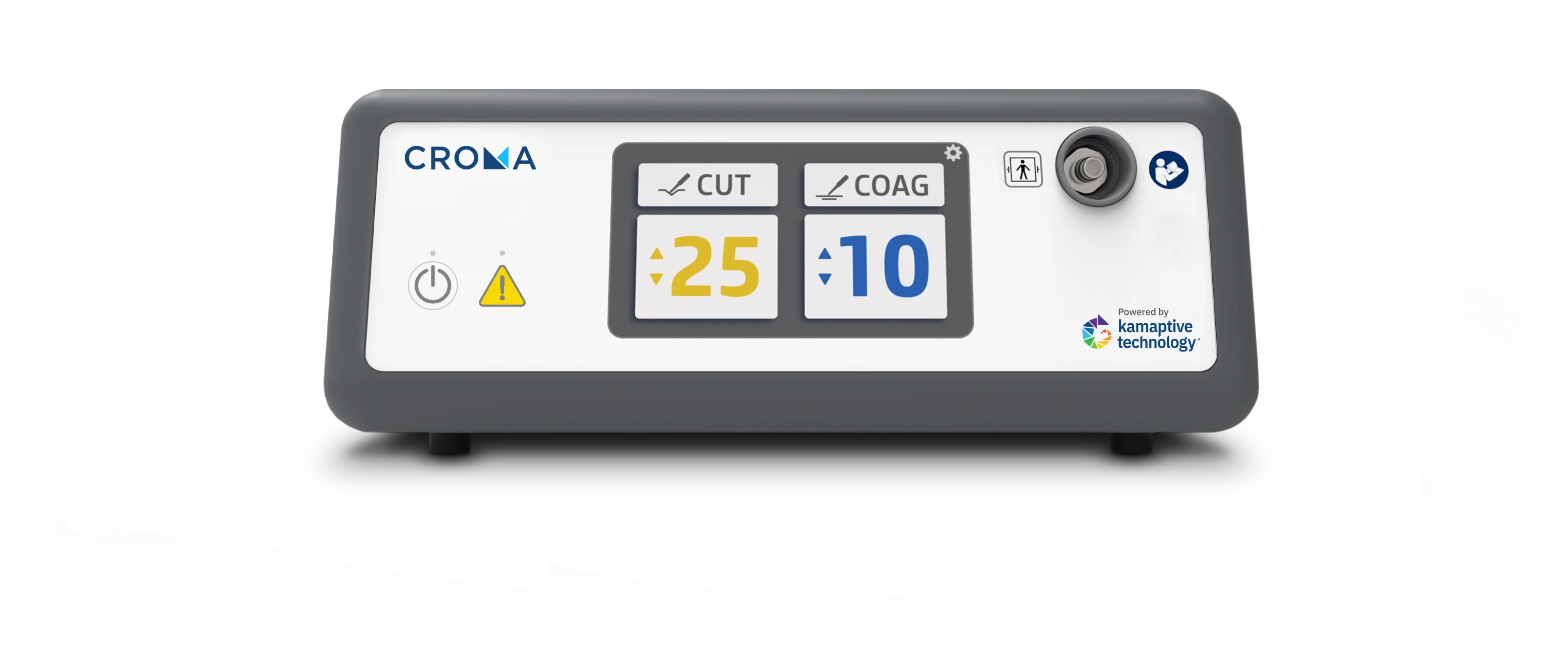
Cantata has been used successfully since the inception of the CROMA Generator, an electrosurgical unit for the purpose of cutting and coagulating tissue, in 2013. At the time of tool selection, Creo Medical required an independently certified automated unit testing tool to verify their software under IEC 62304.
Cantata was employed for white-box component testing for safety-critical code in both host and target environments. Its success led to its implementation in the creation of a New Patient Monitor and a safety-critical Non-Invasive Blood Pressure measurement unit developed by GE Healthcare.
Simoco opted for Cantata to systematize unit and integration testing and gauge code quality. The primary project using Cantata involved creating a sizable control room system for a major utility. This system merged digital telephony with mobile radio services, ensuring reliable communication between control room operators and field staff.

Past experiences have cultivated a profound skepticism towards ‘ad hoc’ software testing methods due to software bugs being a major contributor to field-related issues. Cantata’s static analysis functions were used to eliminate the use of C constructs known to cause problems. Task testing was carried out to discover if there were any design errors in the tasks.
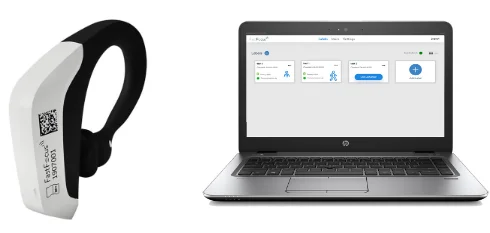
FastFocus needed a tool that met IEC 62304 standards, with a well-documented medical device background, reliable vendor support, and advanced features like automatic test case generation, function call control, code coverage, and certification evidence.
The project involved performing system acceptance tests on a railway signaling configuration tool that was needed to generate code metrics, assess coverage, and identify untested code areas. Cantata offered an integrated solution that proved simpler and more cost-effective, encompassing all required features.
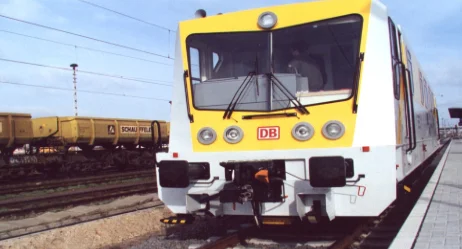
Thales invested extensively in R&D, so as to produce innovative ETCS solutions. The main task was to develop two applications: one for radio block control on trackside, written in C++, and one for the train itself, written in C.
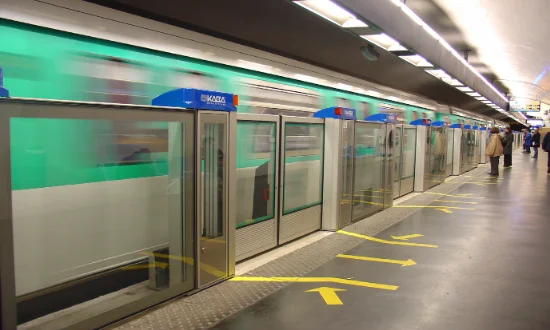
Kaba Gilgen AG upgraded metro stations in Paris with half-height Platform Screen Door (PSD) systems, using Cantata to meet the specific project needs. Detailed unit tests were run on all source files, ensuring 100% code coverage.

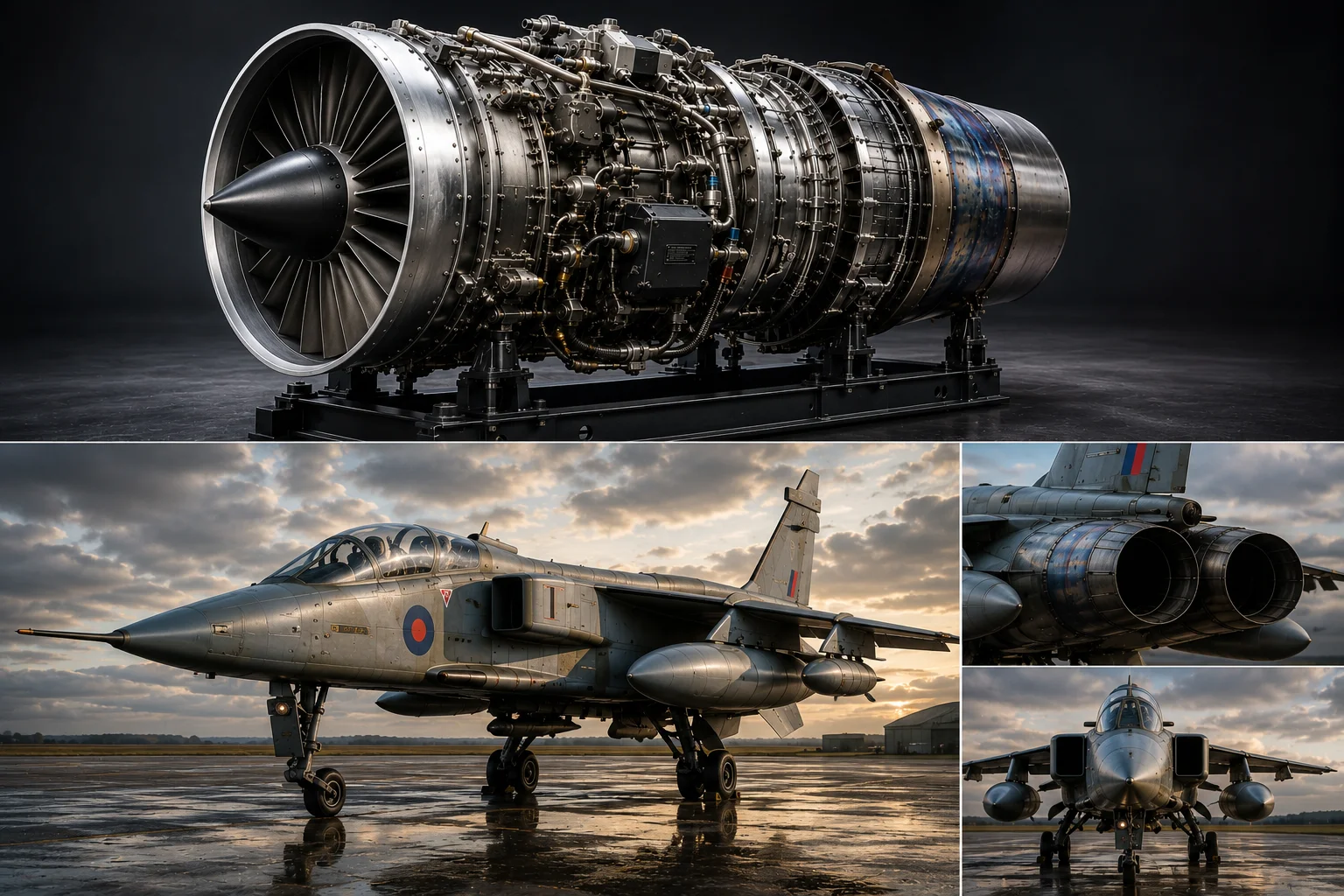
A Comprehensive Case Study on Verifying DE-CATS Software for Rolls-Royce Adour Mk 106 Engine with Cantata. Discover how OSyS achieved efficient unit testing, white-box data validation, and extensive code coverage for optimal results.
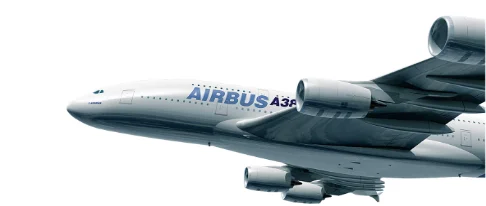
Meggitt’s two significant projects were the Engine Interface and Power Monitoring (EIPM) unit for the Airbus A380 aircraft, and the Engine Monitoring Unit (EMU) for the Rolls Royce Trent 900 engine. These projects necessitated robustly tested software to comply with the rigorous safety requirements of the civil avionics industry-standard DO-178B.

SAAB, adhering to rigorous safety requirements, used Cantata to certify the Airbus A400M wing flap control system to the highest safety level, generating automatic test reports for efficient issue identification and resolution.
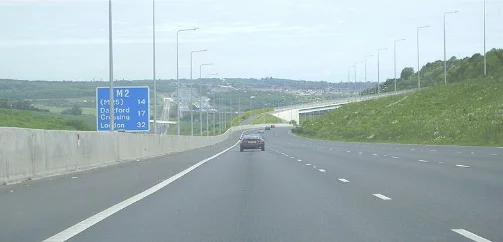
The UK Highways Agency (HA) developed the Network ATM Supervisory Subsystem (NASS) to reduce congestion. This case study explores the testing strategy, code design, and module testing procedures used to validate the system’s effectiveness.

Accelerate safety standards compliance for C and C++ with automated unit and integration testing.

QA-MISRA is a powerful and fast static analysis tool designed to ensure compliance with coding standards, supporting C and C++ coding languages. QA-MISRA is highly extensible and flexible, offering built-in support for coding standards such as MISRA and AUTOSAR C++14 rules.
Cantata Hybrid enables you to run your existing Google tests to generate Cantata results and code coverage evidence. This innovative hybrid between Cantata and GoogleTest introduces a fully automated certification engine for Google tests, ensuring compliance with functional safety standards.
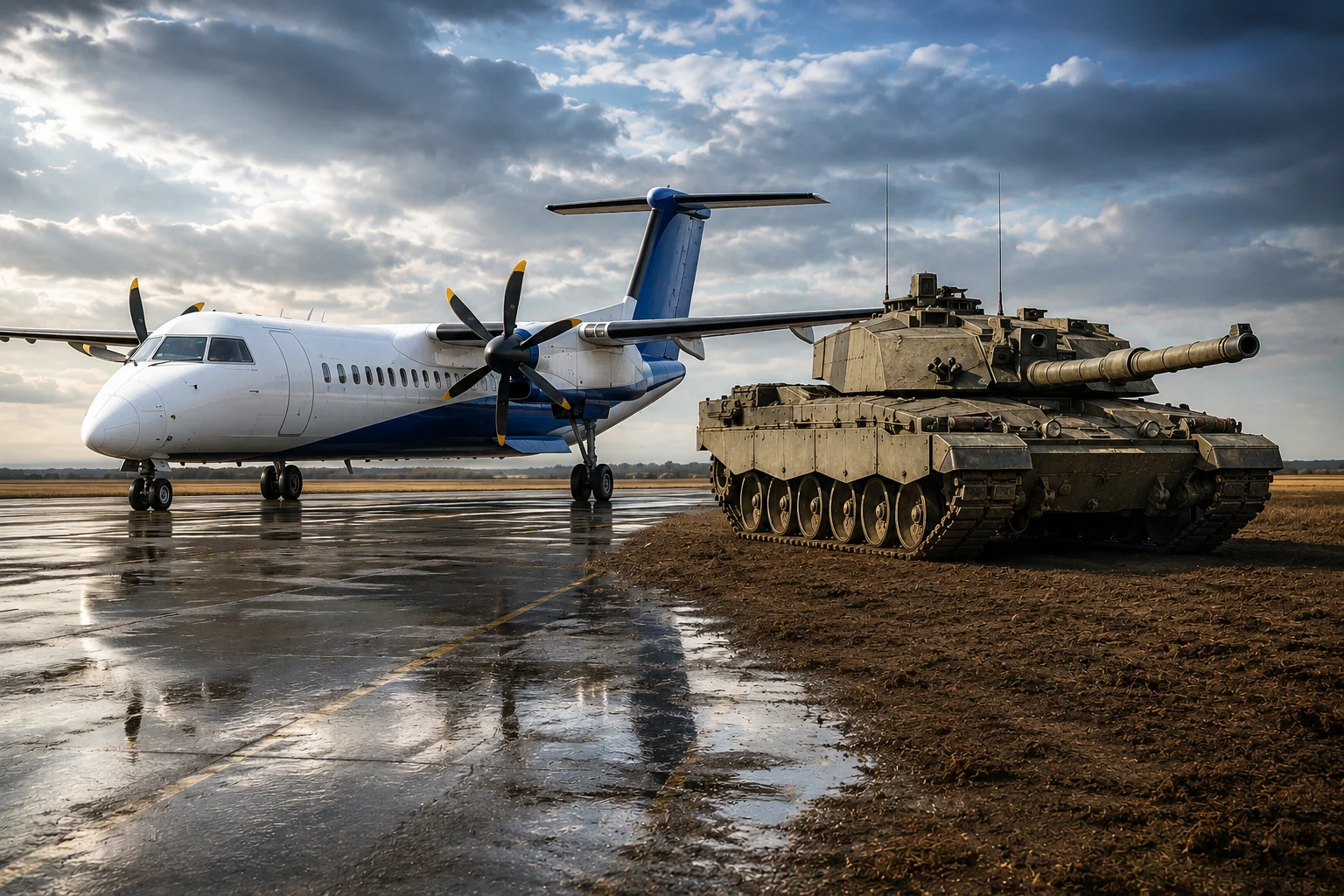
Ultra Electronics required testing tools that aligned with the stringent software testing criteria outlined in the civil avionics standard DO-178B. The Controls Division effectively employed Cantata to conduct C++ testing for the inaugural line test set utilized in conjunction with their Digital Automotive System Control Unit (DASCU).
Cantata Hybrid enables the execution of tests by utilizing non-Cantata test suites, such as GoogleTest® and GoogleMock®, as input sources allowing the generation of test results evidence and code coverage data from a certified unit test tool to comply with all major safety-critical standards.

Accelerate Finding All Runtime Errors & Data Races in C/C++With Sound Static Analysis.

This brief covers ISO 26262 and ISO 21434, key automotive standards for safety and cybersecurity. It highlights how QA Systems’ tools, like Cantata and QA-MISRA, support compliance through automated testing, with Cantata certified for safety verification up to ASIL D.
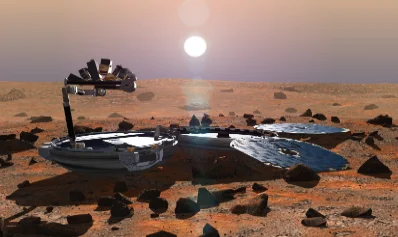
AdaTEST 95 was used to produce on-board software for Astrium’s projects RADARSAT-2 (aimed to perform topographic mapping of the Earth’s surface) & Beagle 2 (a UK-led Mars lander) which faced different challenges in achieving software reliability.

Astrium chose AdaTEST 95 to test its Polar Platform satellite, thanks to its reliability, flexibility, and competitive pricing. The tool resolved the challenge of creating maintainable code and tests, seamlessly integrating into Astrium’s existing procedures without causing disruptions.
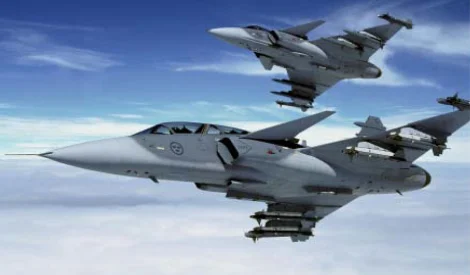
Saab Aerosystems re-implemented the Stores Management Unit (SMU) for the JAS39 Gripen fighter aircraft. They used AdaTEST 95 for testing, following the RTCA/DO-178B standard at criticality level A.
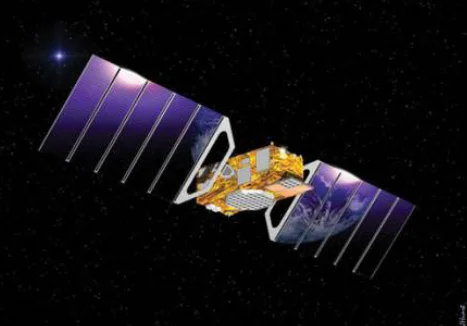
The key highlight of the new kit was its run-time environment situated on the target, exerting full control over the running application. AdaCore had to conduct extensive testing to meet the rigorous quality standards set by ESA. To achieve the stipulated 100% statement coverage, AdaTEST 95 was selected.
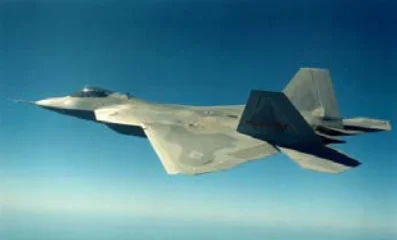
At their Aeronautical Systems plants in Marietta, Georgia, Lockheed Martin developed the US Air Force’s latest air-superiority fighter, the F-22. The Internal Independent Verification and Validation manager was required to find a suitable tool that would facilitate the extensive CSU testing.

Hitachi Vantara developed the Self-Driving Assistant software for autonomous vehicles. To ensure safety and adherence to standards, they chose Cantata as their testing tool for its ability to conduct unit, integration, and system testing.
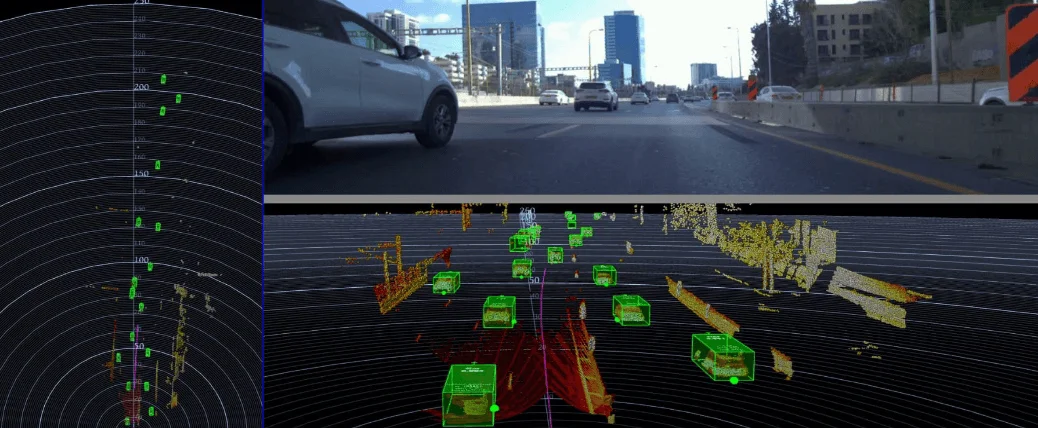
Innoviz Technologies developed LiDAR and object recognition products for autonomous vehicles. In search of a versatile test automation and reporting solution compatible with ISO 26262 certification requirements, they opted for Cantata due to its strong integration capabilities with their intricate toolchain.